
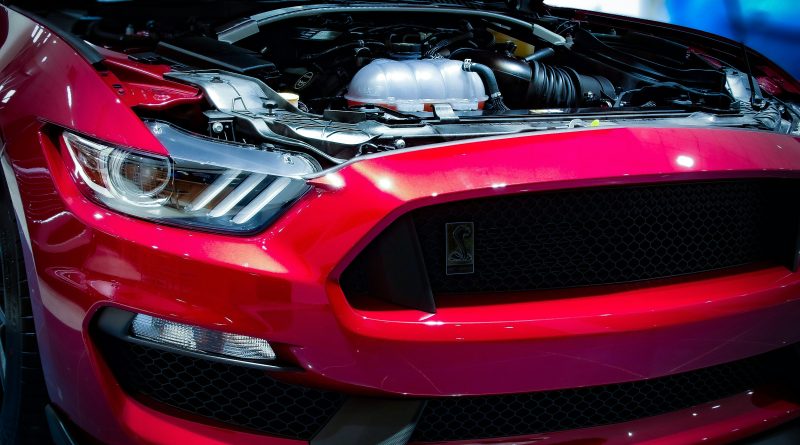
Ford Cobra Jet 2200: The Electric Drag Monster
Ford Cobra Jet 2200 The Electric Drag Monster
| 2,200+ Horsepower | ~7.9s Quarter Mile | < 2 sec 0-60 mph | 800V Battery System |
When most people think of drag racing, they picture roaring V8s and clouds of tire smoke. Ford wants to change that picture — and the Ford Cobra Jet 2200 is their argument. This all-electric drag racing car is not a science project or a publicity stunt. It’s a purpose-built, strip-ready machine that can humble almost anything with an engine.
Let’s get into what makes this car so extraordinary — and why it matters beyond the drag strip.
What Is the Ford Cobra Jet 2200?
The Cobra Jet name has history. Ford first used it back in 1968 on a high-output version of its 428 V8, and it became synonymous with straight-line dominance. When Ford Performance brought the name back for an electric drag car, they weren’t just playing with nostalgia — they were making a statement.
The Cobra Jet 2200 is a one-off concept and competition vehicle developed to showcase what an electric powertrain can do in the most demanding motorsport environment: quarter-mile drag racing. It’s built to win, not just impress at auto shows.
Ford Cobra Jet 2200 Specs and Performance
This is where things get genuinely exciting. The raw numbers behind the Cobra Jet 2200 read like something out of a video game.
Power and Torque
| Peak power output | 2,200+ hp |
| Torque delivery | Instant, full torque from 0 rpm |
| Battery system voltage | 800V |
| Drivetrain | All-wheel drive |
| 0-60 mph | Under 2 seconds (est.) |
| Quarter mile time | ~7.9 seconds |
| Platform | Ford Mustang body |
Over 2,200 horsepower is an almost incomprehensible figure. For context, a modern Formula 1 car produces around 1,000 hp total. A top-spec Bugatti Chiron makes 1,578 hp. The Cobra Jet 2200 leaves both of those in the dust — and it does it without a single drop of fuel.
The electric powertrain also delivers its torque instantly, from the moment you press the throttle. There’s no lag, no waiting for revs to build. That’s a fundamental physics advantage that combustion engines cannot replicate.
Battery and EV Powertrain Details
The Cobra Jet 2200 runs on an 800-volt battery architecture — the same voltage tier used by performance-focused EVs like the Porsche Taycan and Hyundai Ioniq 5 N, though tuned here specifically for peak burst output rather than range.
Drag racing only requires maximum power for about 8–10 seconds at a time. That changes the engineering calculus entirely. The battery doesn’t need to last 300 miles — it needs to discharge as much energy as physically possible in a very short burst. Ford’s engineers optimized the entire EV powertrain around this requirement.
How Fast Is the Ford Cobra Jet 2200?
In drag racing terms, fast is measured in quarter-mile times and 60-foot splits. The Cobra Jet 2200 targets a quarter-mile time in the region of 7.9 seconds — a figure that would make it one of the quickest production-adjacent cars ever to run a drag strip.
The 0–60 mph sprint is expected to come in under 2 seconds. Again, that’s territory that almost nothing on four wheels can touch. The combination of all-wheel drive traction and instant electric torque means the car hooks up and launches with an authority that’s hard to comprehend until you see it.
Why the Cobra Jet 2200 Matters for Drag Racing
Electric cars are changing the sport
For decades, drag racing has been a combustion engine sport. NHRA Top Fuel cars, funny cars, pro stock vehicles — all running on nitromethane or gasoline, tuned to within millimeters of their mechanical limits. Electric vehicles are now crashing that party, and the results are hard to argue with.
The Cobra Jet 2200 isn’t just competitive — it’s setting new benchmarks. Electric drag cars have unique challenges: battery management, heat dissipation, traction control tuning for instant torque. Ford Performance has tackled each of these head-on.
It’s still a Mustang at heart
One of the more interesting decisions Ford made was keeping the Mustang body. The Cobra Jet 2200 wears Mustang sheet metal, which connects it to the streetcar legacy in a meaningful way. Ford isn’t hiding the car’s electric nature behind an unfamiliar face — they’re putting it front and center, in one of America’s most recognizable shapes.
That’s a confident move. It says: This is what the Mustang can become.
Ford Cobra Jet 2200 vs the Competition
The EV drag racing space is getting competitive fast. Tesla has long dominated with the Model S Plaid, which runs a quarter mile in the low 9s on street tires. The Rimac Nevera has posted even quicker numbers under controlled conditions. But the Cobra Jet 2200 operates on a different level — it’s a dedicated strip car, not a road-going vehicle trying to moonlight as a drag racer.
That distinction matters. Ford built this car from the ground up with one goal: to be the fastest electric drag car on the planet. With 2,200+ horsepower and quarter-mile times flirting with 7 seconds, they may well have achieved it.
What This Means for Ford’s Electric Future
Ford has been navigating the EV transition carefully, balancing its traditional muscle car audience with the demands of an electrified future. The Cobra Jet 2200 is a clear message: going electric doesn’t mean giving up performance. If anything, it means more of it.
The lessons learned developing the Cobra Jet 2200 — battery management, power delivery, thermal performance — will feed back into Ford’s broader EV program. Performance tuning at this level is expensive R&D that pays dividends across an entire lineup.